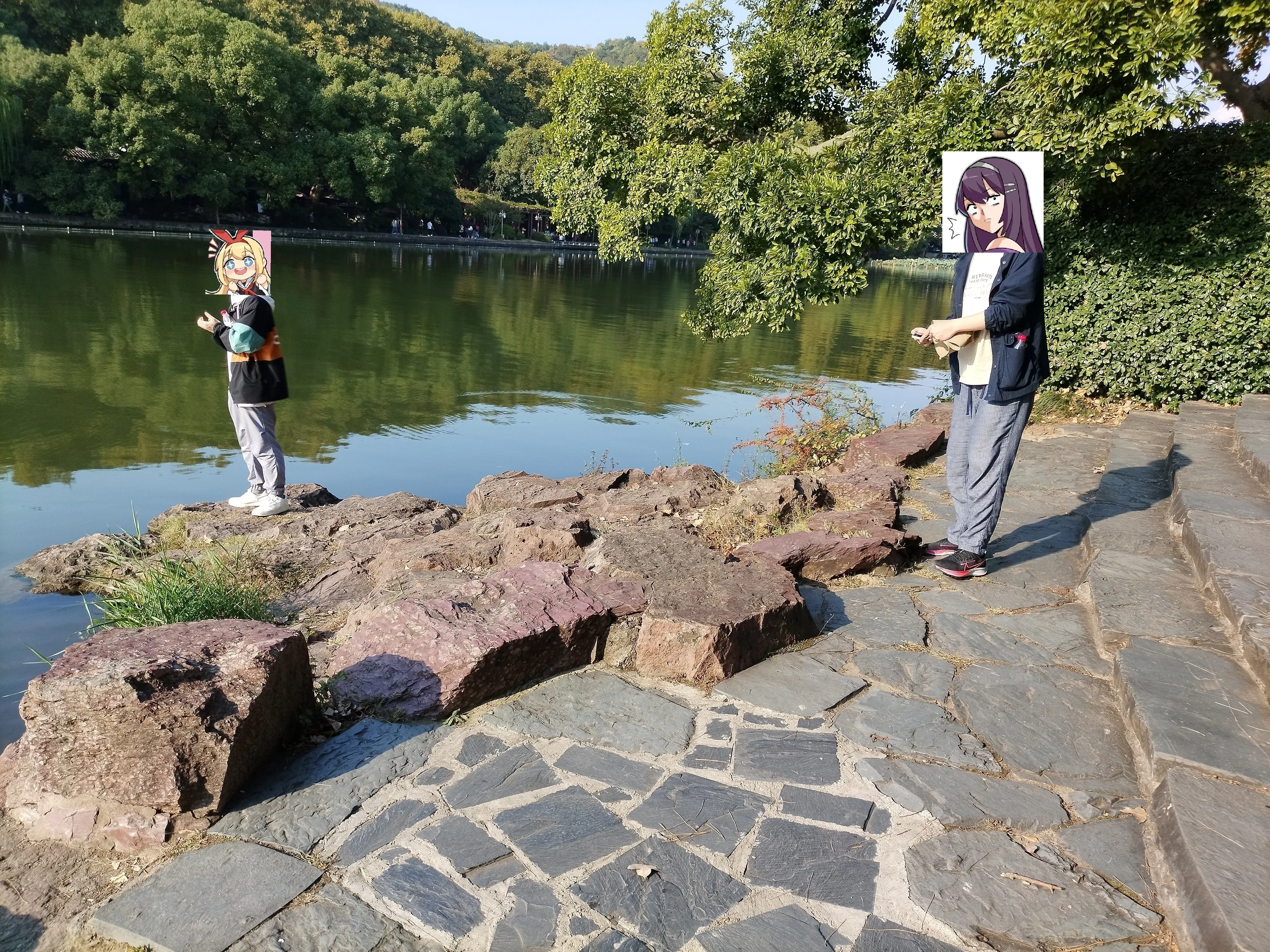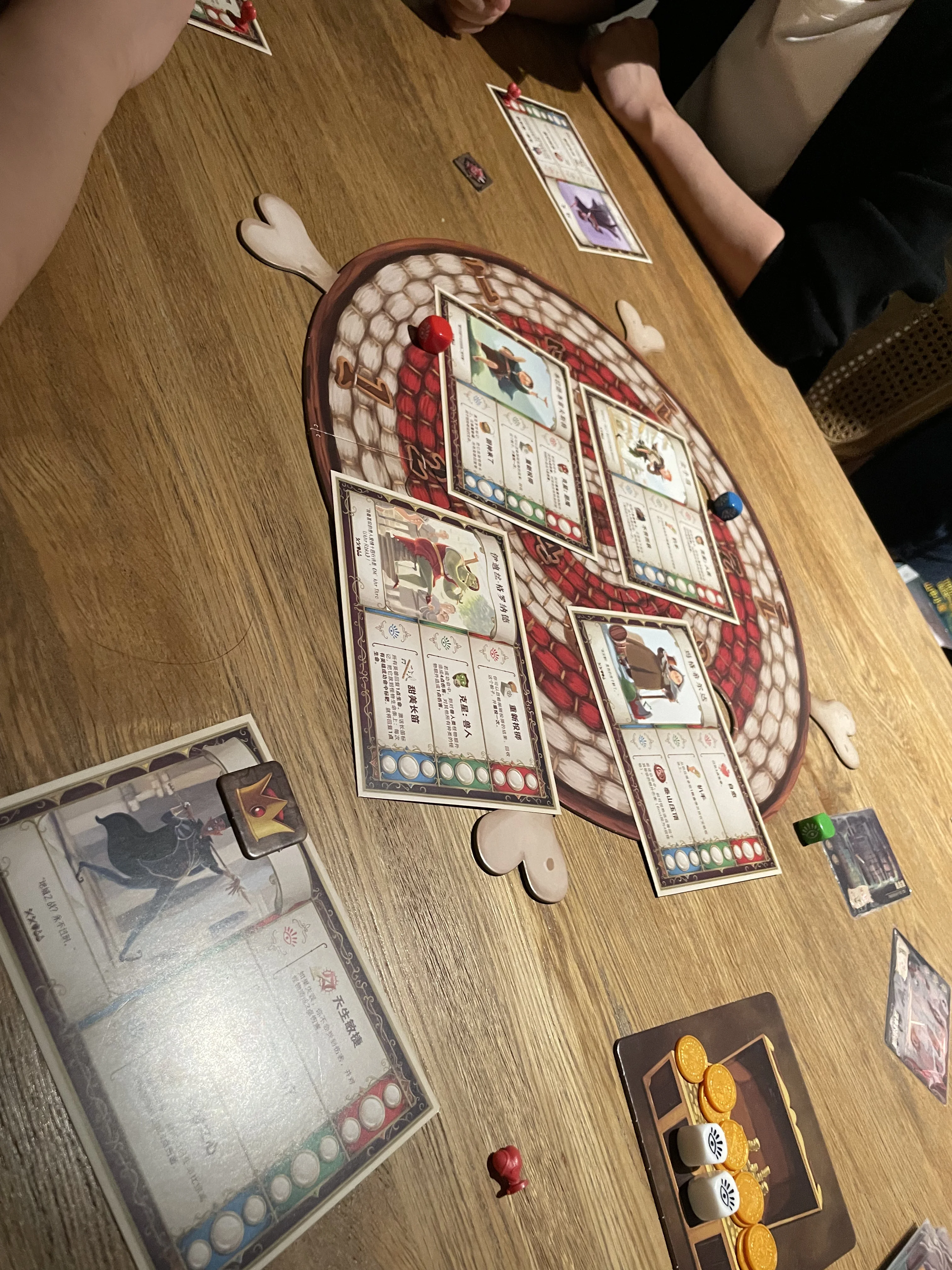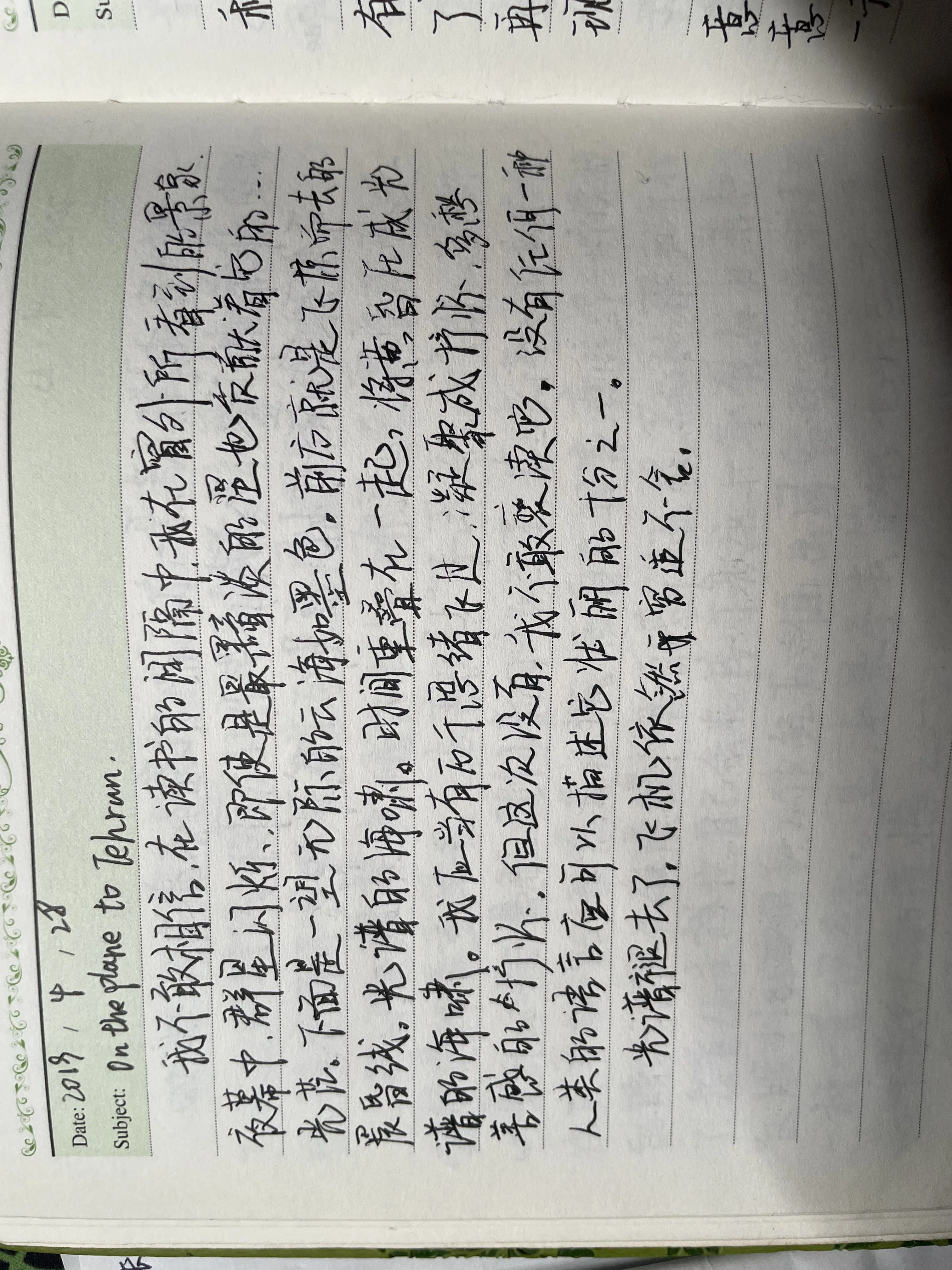
My middle school classmate, who also became my college classmate. He’s been stocky and overweight since childhood. His surname is Sun, so in elementary school a clever classmate nicknamed him “Sun Fatty.”
Now, close your eyes and read “Sun Fatty” ten times fast.
And so, ever since I met him, I’ve called him Sufei.
How Sufei Became My Good Homie
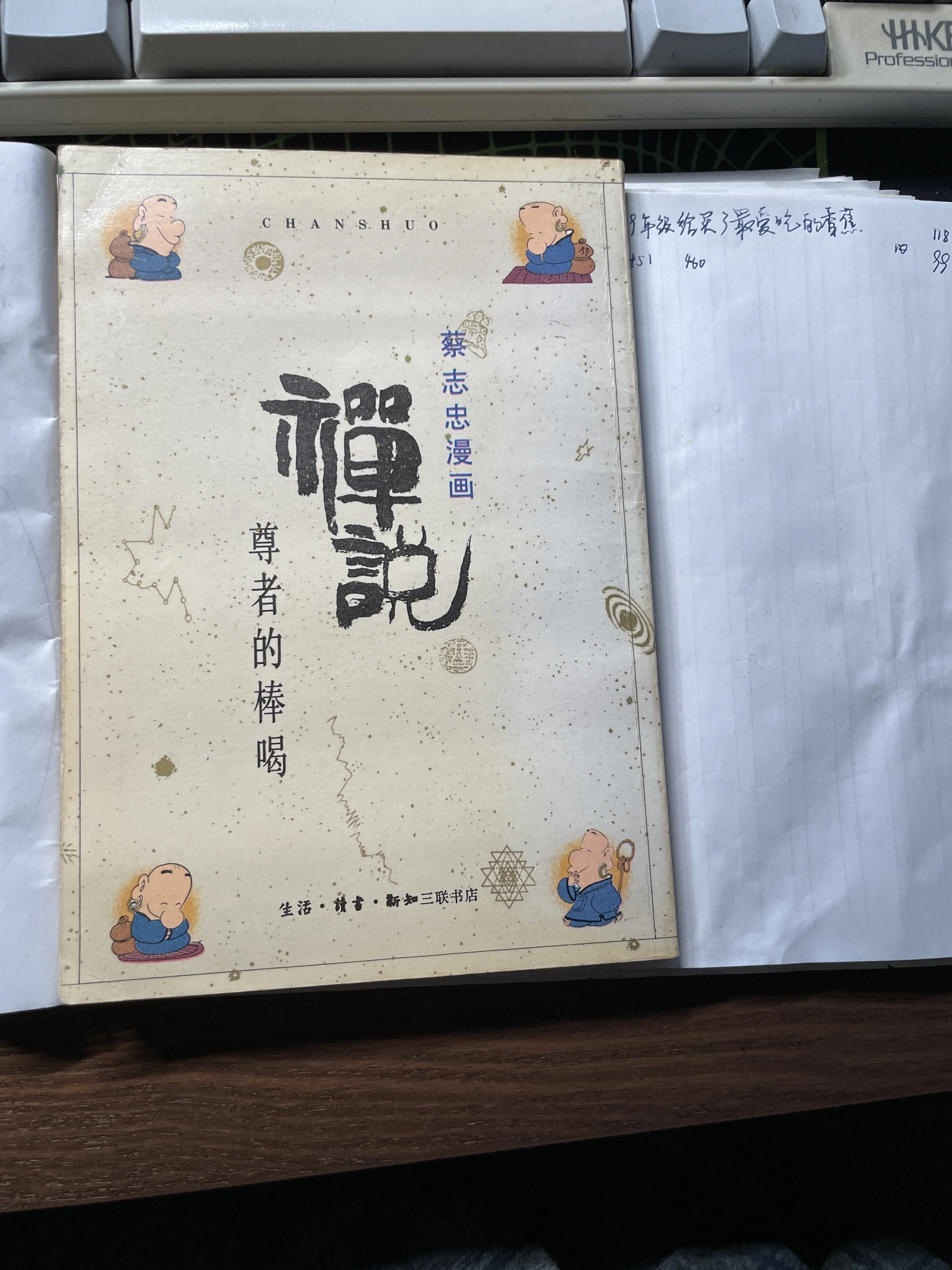
My bond with Sufei began when I discovered a copy of Cai Zhizhong’s comic Chan Speaks at home. I was hooked after reading it. One day in middle school, I mentioned this little book to Sufei, and he said, “I have the whole set!” My eyes lit up, and I planned to borrow them.
But he set two conditions:
- I could only borrow one book at a time, and I had to finish it before swapping for the next.
- I had to walk with him to his house after noon dismissal to get the books.
Our school was a factory-run school of a military factory in the northwest, surrounded by family compounds named “Factory No. X, Block N.” Since he was a factory kid, his home was in the nearest block, Block 38, about 700 meters from school.
So I agreed. Since I loved that comic series, I finished a book every few days, and so I walked Sufei home quite often. Sufei is a man whose words you can only trust three-quarters. That is, what he says is roughly based on real events, but often heavily artistic-licensed. Whenever he told a story, it would leave young me dumbfounded. Later, we became close. Even after I finished the comics, I kept walking him home every day.
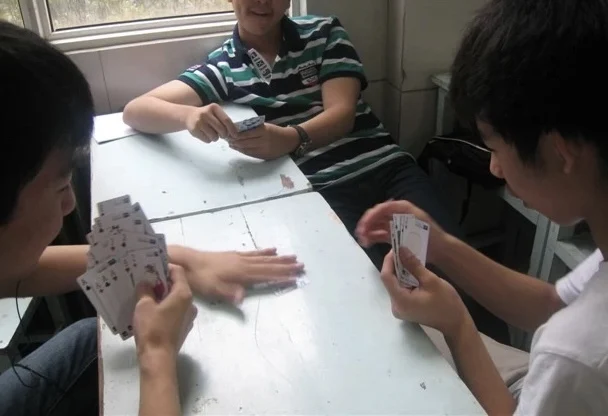
Sufei was the top student in our middle school class. As a good student and class monitor, he was beloved by teachers and classmates. But he was full of sly ideas. For example, near the end of middle school, he set up a little gambling den at the back of the classroom (the games were “Floating Three Leaves” and chess), swindling a classmate out of 300 yuan. That classmate got chewed out by the homeroom teacher, but Sufei himself got off scot-free. Even so, our classmates all liked Sufei a lot.
He also aced the high school entrance exam and went to the best high school in Xi’an. That school required six and a half days of classes per week starting from freshman year. From then on, we only talked by phone weekly, but our friendship only grew.
As luck would have it, we ended up at the same university.
Sufei’s Daring Exploits in College
In college, Sufei majored in mathematics. According to him, the number of students who failed, barely passed with a 60, and passed decently was almost equal. And at our school, failing more than one course would automatically disqualify you from graduate school admission without an exam.
As the saying goes, “A harsh environment breeds unruly people.” Under such strict conditions, Sufei gradually became a lawless outlaw.
Now, let me explain our school’s exam rules: During exams, teachers require students to sit in order of their student numbers in the exam room. Bags must be placed near the podium, leaving only stationery and water. In principle, phones are not allowed, but there’s no actual pat-down search. The penalties for cheating are severe: minor offenses mean retakes, probation, and a blemish on your record; major ones mean repeating a grade or expulsion.
Cheat sheets count as minor; getting caught with a phone counts as major.
Sufei’s class formed a cheating ring with him at the center. Here’s how they operated:
On the morning of the exam, students would go to the exam room to study, sitting on a first-come, first-served basis. Seats close to the teacher or near the aisle were the burden of latecomers.
When the exam started, the proctor would ask students to sit by student number, but in this united class, nobody moved. Occasionally a teacher would threaten not to hand out papers if they didn’t obey, but not handing out papers on time was a real exam incident, whereas students not sitting by number was a minor issue. So eventually the teachers gave up.
Then came the crucial part: A few students, led by Sufei, were responsible for bringing phones to look up answers. Since this was risky, they usually sat in the safest spots. They would then produce cheat sheets on the spot and spread them from person to person to the entire class.
When I heard this, my jaw dropped. Sufei explained, “All the students have a reason to go along—at least no reason not to. Those who are failing want to pass, and those doing okay want higher scores. The highest risk is borne by us.”
This system ran smoothly for nearly four years until graduation, never once caught by a proctor or by random proctors watching the surveillance cameras.
Speaking of which, Sufei once executed a mission to help out our department. As my good homie, Sufei was practically an honorary member of our dormitory 0235, even occasionally crashing on the floor. Before one fateful exam, a roommate (not Chen Shen) asked Sufei to help him pass…
I wasn’t aware of this mission beforehand. Our department wasn’t as wild as Sufei’s—we obediently sat by student number. On exam day, as the papers were being handed out, I suddenly saw Sufei swagger into our exam room with his backpack. I was about to greet him, but he gave me a stern look. I sensed something big was happening and kept quiet. Sufei sat down in the last seat of our row.
After the papers were distributed, Sufei, sitting at the back, raised his hand to call the proctor. He whispered something, returned his paper, packed up, and left the exam room. I finished that exam in bewilderment.
Later, I learned what happened: Sufei pretended to be a student from our department, walked in, and sat at the back. Teachers usually don’t count papers precisely—there are always a few extra. Sufei grabbed a paper, quickly stuffed one into his backpack, then pretended to be confused and called the proctor over: “Sorry, teacher, I’m a retaking student. I walked into the wrong exam room.” He returned the remaining papers and left the exam room with the stolen paper. He then handed it to a test-taker the roommate had arranged beforehand, who would later place the answers in a certain spot in the restroom for the roommate to retrieve.
Once again, Sufei left me dumbfounded.
University is essentially a highly specialized small society. I agree with this idea of a university: “Gentlemen, if I had to choose between a university where teachers supervise you and you graduate by accumulating enough credits, and a university without professors or exams where young people live together, learn from each other for three or four years, I would unhesitatingly choose the latter… Why? I think: When many smart, curious, empathetic, and sharp-eyed young people gather together, even without a teacher, they can learn from each other. They exchange ideas, see new perspectives, encounter fresh things, and develop unique judgment in behavior.”
In fact, even in the math department, Sufei’s grades were decent. The special exam operations I mentioned were the exception, not the rule. And my narration here has undergone some artistic modification, just as Sufei would do.
I admire Sufei’s astonishing organizational and mobilizational abilities in these actions, as well as the imagination and courage behind them.
Now
Several years after graduation, Sufei is visibly building a comfortable life for himself. Our relationship continues to grow. I love this sometimes-over-the-top, family-like fat guy.
Picture 1 is the comic Chan Speaks.
Picture 2 (center) is Sufei in middle school leading everyone to study and get into mischief.
(Sufei is actually a rare handsome guy, but unfortunately I didn’t dare ask for his permission to write this story, so I can’t post a photo😭)
🧚 Extraordinary Folks